Deviated Septum Surgery | Septoplasty
Maybe you have been breathing through your mouth for a long time, waking up with a stuffy nose, or feeling that one side of your nose gets more blocked than the other. Maybe you have already tried nasal sprays, allergy medications, or temporary remedies, but the congestion, snoring, facial pressure, or difficulty breathing keep coming back.
When you have a deviated septum, air does not always flow properly through your nose. This can affect your breathing, your sleep, your energy during the day, your performance, and even your quality of life.
At Sinus Center, we support children, families, and adults with a careful evaluation, an accurate diagnosis, and personalized treatments to find the underlying cause of the problem. If you are looking for information about deviated septum surgery, this is a good place to start understanding when it may be necessary, which symptoms may point to nasal obstruction, and how correcting the septum can help you breathe and sleep better and live with less discomfort.
What is deviated septum surgery?
Deviated septum surgery is a medical procedure performed to correct the position of the nasal septum, which is the internal structure that divides the two nasal passages. When the septum is deviated, it can block airflow and make breathing through your nose harder.
It is also known as septoplasty. Its main goal is not to change the appearance of the nose, but to improve nasal breathing when there is an internal obstruction.
In other words, if you breathe worse on one side, often have a stuffy nose, snore, sleep poorly, or feel that medications only give you relief for a while, there may be a deviated septum that needs to be evaluated.
As doctors, we first look at what is causing your symptoms. Not everyone with a deviated septum needs surgery. But when the deviation affects your breathing and does not improve with medical treatment, deviated septum surgery can help you breathe better, sleep better, and live with less discomfort.
Why is deviated septum surgery performed?
Deviated septum surgery is performed when the deviation of the septum is blocking airflow and causing symptoms that do not improve in a lasting way with medication. As doctors, we aim to correct the internal cause of the problem so you can breathe with less effort and have a better quality of life.
It may be recommended when you have a constantly stuffy nose, difficulty breathing through one or both sides, snoring, unrefreshing sleep, mouth breathing, frequent sinus infections, facial pressure, or a reliance on sprays and medications without steady improvement. At Sinus Center, we first evaluate your case, examine the internal structure of your nose, and confirm whether deviated septum surgery can help you.
How do I know if I need deviated septum surgery?
Sometimes you get so used to breathing poorly that you start to think it is “normal.” You adapt to sleeping with your mouth open, waking up with a dry mouth, using sprays often, or living with one side of your nose more blocked than the other, without knowing there may be a deviated septum that needs to be evaluated.
These questions can help you tell whether it is time to see a specialist:
- Do you feel it is hard to breathe through your nose almost every day?
- Does one side of your nose get more blocked than the other?
- Do you sleep with your mouth open or wake up with a dry mouth?
- Do you snore or feel that you do not rest well?
- Do medications or sprays give you relief, but the problem always comes back?
- Do you have facial pressure, congestion, or frequent sinus infections?
- Is it hard to breathe through your nose when you exercise?
- Do you feel your energy, concentration, or sleep have been affected?
- Have you learned to live with a stuffy nose because you have been like this for a long time?
If several of these questions sound like you, it may be time to look into what is going on. Often the problem is not just “congestion,” but an obstruction caused by a deviated septum or another internal abnormality.
What is the deviated septum surgery procedure like at Sinus Center?
At Sinus Center, the deviated septum surgery process starts with a careful evaluation to understand what is happening with your breathing and confirm whether you need surgery. Not everyone with nasal congestion needs an operation, so we first work to identify the underlying cause of the problem.
The process usually includes a review of your symptoms, a specialized nasal exam, an evaluation of the internal structure, and a personalized plan based on your diagnosis. If it is confirmed that surgery can help you, the deviation of the septum is corrected to improve airflow through your nose. Afterward, we support you with recovery instructions and follow-up to check your progress, answer your questions, and help you breathe better with more peace of mind.
How long will it take me to recover from deviated septum surgery?
Recovery from deviated septum surgery depends on your case, the degree of the deviation, and whether any additional procedure was performed, such as treatment of the turbinates or sinuses. In general, during the first few days you may feel congestion, pressure, swelling, a slightly runny nose, or tenderness in your nose.
Many people return to light activities within a few days, but breathing usually improves gradually as the internal swelling goes down. At Sinus Center, we explain what to expect based on your surgery, what care to follow, and when you can safely go back to work, exercise, and your normal activities.
Our process
01 - Comprehensive Clinical Evaluation
We start with a detailed consultation to review your symptoms, medical history, and how the problem has changed over time.
02 - Accurate Diagnosis
We use specialized tools such as nasal endoscopy and imaging studies to see exactly what’s going on and avoid guesswork.
03 - Personalized treatment plan
Every case is different. We design a specific treatment plan that may include medical management, inflammation control, or surgery.
04 - Minimally invasive procedures
When needed, we use advanced endoscopic techniques for greater precision, less trauma, and faster recovery.
05 - Follow-up and monitoring
We guide you through the process to ensure a proper recovery and long-lasting results.

Dr. Carlos Yáñez is a specialist in otolaryngology (ENT) with extensive experience in diagnosing and treating nasal, sinus, and upper airway conditions.
Over a career of more than 30 years, he has helped patients with persistent breathing problems get their breathing back, sleep better, and improve their quality of life through accurate diagnoses and personalized treatments.
Many patients come to us after years of living with constant congestion, limited breathing, or poor sleep quality without ever identifying what is causing the problem.
In some cases, people learn to adapt to fatigue, difficulty breathing, or unrefreshing sleep, thinking these are normal discomforts or just part of their daily life.
At Sinus Center, we practice thorough, precise, and well-executed medicine to identify the underlying cause of the problem and offer more effective, longer-lasting solutions for our patients' respiratory health.
How can I prepare for deviated septum surgery?
Preparing for deviated septum surgery can help make the procedure safer and your recovery more comfortable. Before surgery, the doctor will give you specific instructions based on your diagnosis, your health, and whether other structures, such as the turbinates or sinuses, will also be treated.
In general, you can prepare like this:
- Get your questions answered before the procedure: ask what will be corrected, what recovery will look like, and what care you will need to follow.
- Always tell us about your medications: mention whether you take blood thinners, aspirin, anti-inflammatories, supplements, allergy treatments, or nasal sprays.
- Share your medical history: let us know if you have high blood pressure, diabetes, bleeding disorders, sleep apnea, medication allergies, or previous nasal surgeries.
- Follow the fasting instructions: if your surgery requires anesthesia, you will be told what time to stop eating or drinking.
- Plan your trip home: ideally, someone should go with you on the day of the procedure and be able to help you during the first few hours.
- Set up a comfortable place to rest: keep water, soft foods, prescribed medications, and everything you need on hand so you can avoid exerting yourself.
- Avoid smoking or drinking alcohol: these can affect healing, irritate your nose, and increase discomfort during recovery.
- Do not self-medicate: take only what the doctor prescribes before and after surgery.
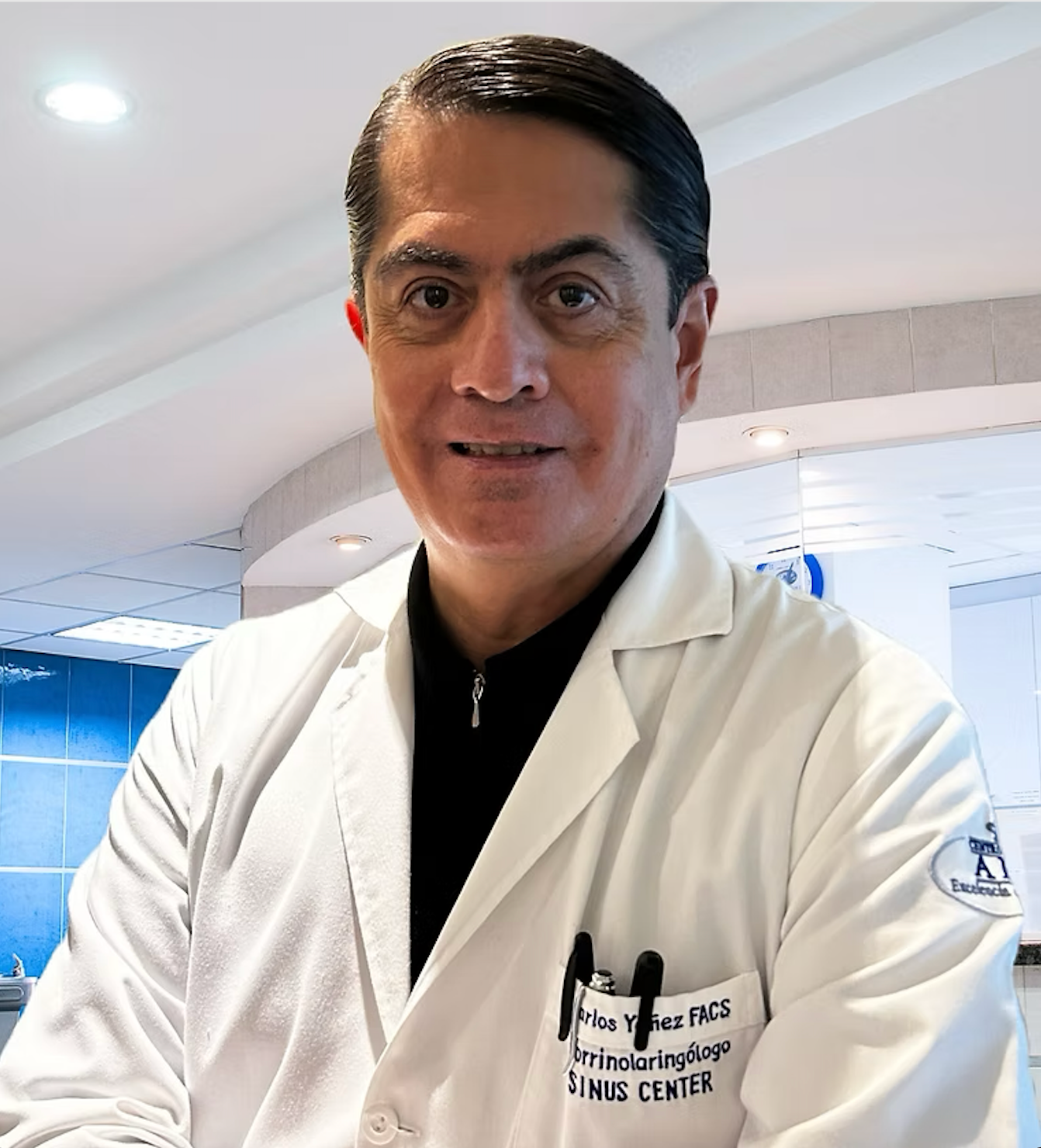
I am Dr. Carlos Yáñez
Otolaryngologist with over three decades of clinical and surgical experience

Here's how we can help:
Every case is different, which is why everything starts with a specialist evaluation. Based on an accurate diagnosis, we determine the treatment or procedure that’s right for you. Book a consultation or request more information to take the first step with confidence.
Frequently asked questions
Is deviated septum surgery or its recovery painful?
Deviated septum surgery is not usually very painful, but it can cause congestion, pressure, swelling, tenderness, or discomfort in the nose during the first few days. Most of the discomfort can be managed with the medications prescribed by the doctor.
How long does recovery take?
Recovery depends on your case and on whether any additional procedure was performed, such as treatment of the turbinates or sinuses. Many people return to light activities within a few days, but breathing improves gradually as the internal swelling goes down.
What are the risks of deviated septum surgery?
To be honest: every surgery has risks. Deviated septum surgery can involve bleeding, infection, swelling, crusting, dryness, pain, temporary changes in sensation, ongoing congestion, or the need for additional treatment.
That said, talking about risks does not mean something bad will happen. At Sinus Center, we evaluate your case, explain which risks apply to you, and take steps to make the procedure as safe as possible.
What is the post-operative care?
After surgery, it is important to rest, avoid strenuous activity, not blow your nose hard, take your medications as prescribed, and attend your follow-up appointments. You may also be advised to do nasal rinses, follow cleaning routines, and avoid smoke, alcohol, or intense activities during the first few days.
You should let the doctor know if you have heavy bleeding, fever, severe pain, difficulty breathing that gets worse, or foul-smelling discharge.
Do I have to stay in the hospital?
It depends on the type of surgery, your health, and your doctor's recommendation. In many cases, deviated septum surgery can be done on an outpatient basis, which means you could go home the same day after a period of observation.
If your case requires closer monitoring or a more complex procedure is performed, the doctor may recommend a hospital stay.