


Nose Surgery | Rhinoplasty and Functional Nasal Surgery
Maybe you've been breathing through your mouth for a long time, waking up with a stuffy nose or feeling like you never rest well, even after sleeping for hours. Maybe you've already tried medications, nasal sprays or temporary remedies, but the congestion, snoring, facial pressure or trouble breathing keep coming back.
When breathing becomes a daily struggle, it doesn't only affect your nose. It can also change your energy, your sleep, your concentration, your mood, your performance, your metabolic processes, your biological and physical development, and even lead to deformation of the face, the jaw, etc.
At Sinus Center, we understand how frustrating it can be to live with nasal symptoms that never fully improve. That's why we support children, families and adults with a careful evaluation, an accurate diagnosis and personalized treatment to find the real cause of the problem.
If you're looking into nose surgery or functional nasal surgery because you feel something is keeping you from breathing well, this is where you can start to understand what may be going on, when surgery can help and how breathing more freely can improve your rest and your overall quality of life.
What is nose surgery?
Nose surgery is a medical procedure performed to correct problems inside the nose that affect your breathing. Its main goal isn't to change how you look, but to help air flow better through your nasal passages.
When we talk about functional nasal surgery, we mean an operation that can correct problems such as a deviated septum, enlarged turbinates, nasal polyps, internal obstructions or other abnormalities, even internal malformations that make your nose feel constantly blocked.
In other words, if you breathe poorly because a structure inside your nose is blocking airflow, surgery can help open up that space and improve your breathing.
As doctors, we first evaluate what's causing your symptoms. Not everyone with congestion needs surgery. But when the problem is structural and doesn't improve with medication, nose surgery can be an option to help you breathe better, sleep better and live with less discomfort.
Why is nose surgery performed?
Nose surgery is performed when there's an internal cause that is limiting your breathing or causing symptoms that don't improve for good with medication. As doctors, we aim to correct the problem at its source so you can breathe with less effort and have a better quality of life.
It may be recommended when you have:
- A constantly stuffy nose, even when you don't have a cold or an active allergy.
- Difficulty breathing through one or both sides of the nose, especially when sleeping or exercising.
- Snoring or unrefreshing sleep, related to poor airflow through the nose.
- Frequent sinus infections, facial pressure or a feeling of congestion that keeps coming back.
- Dependence on sprays, decongestants or medications, without lasting improvement.
- A deviated septum, swollen turbinates, polyps or internal obstructions that prevent proper breathing.
- Fatigue, dry mouth when you wake up or lack of energy, when poor nasal breathing affects your rest.
At Sinus Center, we don't recommend surgery just because you have discomfort. We first review your case, listen to your symptoms and confirm whether there really is a structural cause that can be corrected with surgery.
How do I know if I need nose surgery?
Sometimes you get so used to breathing poorly that you start to think it's “normal.” You adapt to sleeping with your mouth open, waking up tired, using sprays often or living with a stuffy nose, without knowing there may be a cause that needs to be evaluated.
These questions can help you identify whether it's time to see a specialist:
- Do you feel like it's hard to breathe through your nose almost every day?
- Is one side of your nose more blocked than the other?
- Do medications bring relief, but the problem always comes back?
- Do you wake up with a dry mouth, feeling tired or as if you haven't rested?
- Do you snore, or has someone told you that your breathing changes while you sleep?
- Do you avoid exercising because you feel you can't get enough air?
- Do you have facial pressure, congestion or frequent sinus infections?
- Do you feel your energy, concentration or performance has dropped or isn't the same as other people's?
- Have you learned to live with these symptoms because you've had them for so long?
If several of these questions sound like something you experience, it may be time to look into what's going on. Often the problem isn't just “congestion,” but an internal abnormality that hasn't been properly diagnosed. And when the real cause isn't identified, symptoms tend to come back again and again.
What is the nose surgery procedure like at Sinus Center?
First, we need to understand what's happening with your breathing and confirm whether you really need surgery.
The procedure usually includes:
- Initial evaluation: we listen to your symptoms, how long you've had them and how they affect your sleep, your energy and your daily activities.
- Specialized diagnosis: we examine the internal structure of your nose and sinuses to identify the cause of the problem.
- Personalized plan: we explain what we found, what options you have and whether functional nasal surgery is the best choice for your case.
- Functional surgery: if it's confirmed that the operation can help you, we correct the obstruction or abnormality that is making it hard for air to pass through.
- Recovery and follow-up: after the procedure, we stay with you to check your progress, answer your questions and make sure your breathing improves as it should.
Our goal is for you to understand every step before making a decision. It's not just about operating on your nose, but about helping you breathe better with treatment that is safe, clear and tailored to what you need.
How long will it take me to recover from nose surgery?
Recovery can vary depending on the type of surgery you need and the cause we're correcting. Not every patient has the same procedure, so we always explain what to expect based on your case.
In general, after functional nose surgery you may feel:
- Nasal congestion or pressure during the first few days.
- Internal swelling, which may mean your breathing doesn't feel completely clear at first.
- Mild to moderate discomfort, which is usually controlled by following medical instructions.
- Temporary fatigue, especially during the first days of recovery.
- A need for relative rest, avoiding intense exercise, strain or activities that increase pressure in the nose.
Many people can return to light activities within a few days, but the full improvement in breathing may be felt gradually as the swelling goes down and the inside of the nose heals.
At Sinus Center, we support you throughout your recovery with checkups and specific recommendations so you know what's normal, what care to follow and when you can gradually return to your routine.
Our process
01 - Comprehensive Clinical Evaluation
We start with a detailed consultation to review your symptoms, medical history, and how the problem has changed over time.
02 - Accurate Diagnosis
We use specialized tools such as nasal endoscopy and imaging studies to see exactly what’s going on and avoid guesswork.
03 - Personalized treatment plan
Every case is different. We design a specific treatment plan that may include medical management, inflammation control, or surgery.
04 - Minimally invasive procedures
When needed, we use advanced endoscopic techniques for greater precision, less trauma, and faster recovery.
05 - Follow-up and monitoring
We guide you through the process to ensure a proper recovery and long-lasting results.

Dr. Carlos Yáñez is a specialist in otolaryngology (ENT) focused on nasal, sinus and upper airway diseases.
He has dedicated more than 30 years to helping patients with persistent breathing problems recover their breathing, their rest and their quality of life through accurate diagnosis and personalized treatment.
Many patients come to us after years of living with constant congestion, limited breathing or poor sleep quality without ever identifying what was causing the problem.
In some cases, people learn to adapt to fatigue and difficulty breathing, thinking they've “always been this way.”
At Sinus Center, we practice thorough, precise and well-executed medicine to identify the real cause of the problem and find more effective, lasting solutions.
How can I prepare for nose surgery?
Preparing well helps you go into the procedure feeling calmer and makes your recovery more comfortable. Before surgery, the doctor will give you specific instructions based on your diagnosis, your health and the type of surgery you need.
In general, you can prepare like this:
- Ask your questions before the procedure: ask what will be corrected, what recovery will be like and what care you'll need to follow.
- Always disclose your medications: mention if you take blood thinners, aspirin, anti-inflammatories, supplements or allergy treatments.
- Share your medical history: let us know if you have high blood pressure, diabetes, bleeding disorders, sleep apnea, drug allergies or previous surgeries.
- Follow the fasting instructions: if your surgery requires anesthesia, you'll be told what time to stop eating or drinking.
- Plan your trip home: ideally, someone should come with you on the day of the procedure and be able to help you during the first few hours.
- Set up a comfortable place to rest: keep water, soft foods, your prescribed medications and everything you need within reach so you can avoid exertion.
- Avoid smoking or drinking alcohol: these can affect healing and increase discomfort during recovery.
- Don't self-medicate: take only what the doctor prescribes before and after surgery.

I am Dr. Carlos Yáñez
Otolaryngologist with over three decades of clinical and surgical experience
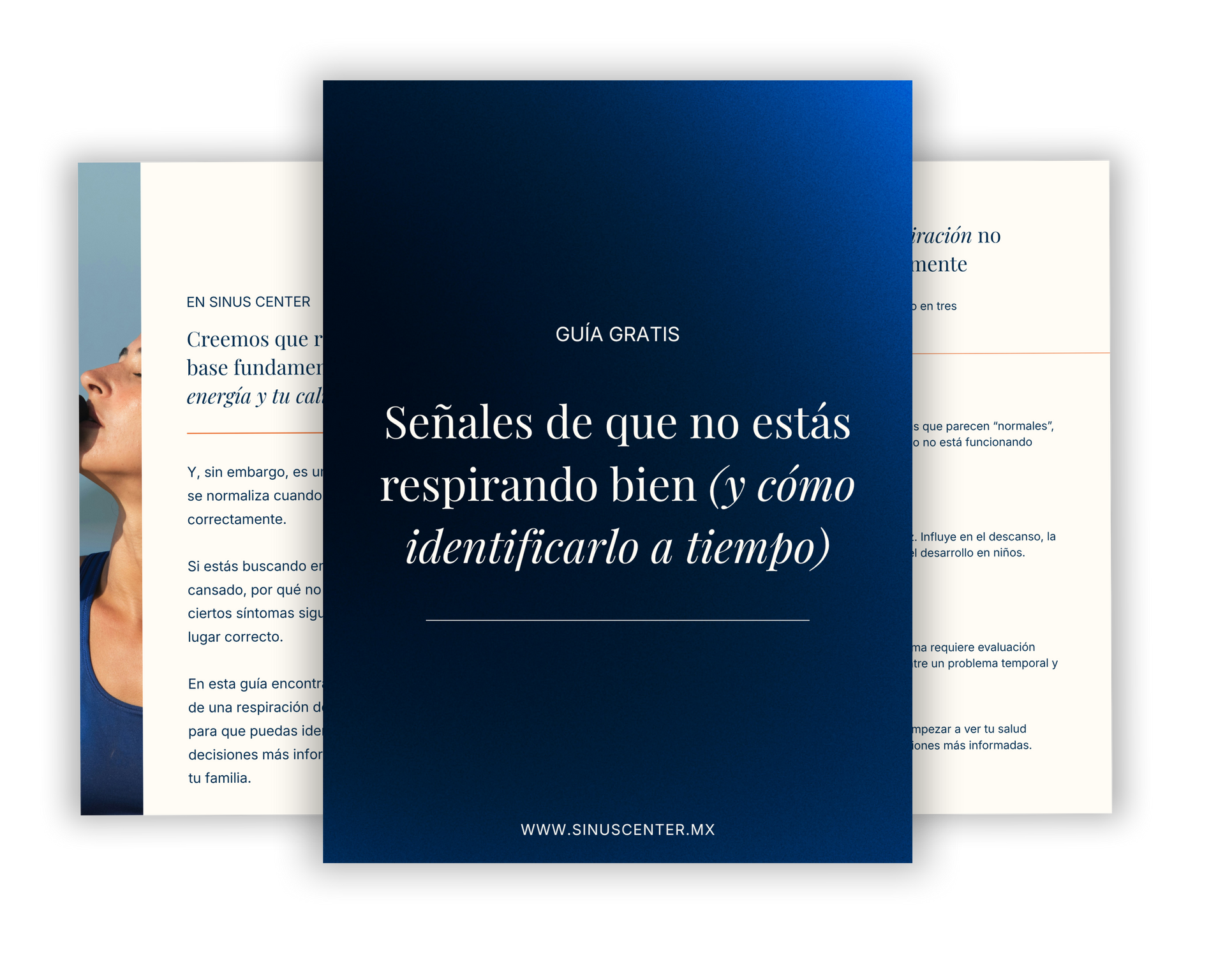
Here's how we can help:
Every case is different, which is why everything starts with a specialist evaluation. Based on an accurate diagnosis, we determine the treatment or procedure that’s right for you. Book a consultation or request more information to take the first step with confidence.
Frequently asked questions
Is the surgery painful?
You shouldn't feel pain during the surgery, since the procedure is done under anesthesia. After the operation, it's normal to feel congestion, pressure, swelling or discomfort similar to a bad case of sinusitis, but the pain is usually controlled by following medical instructions.
If something worries you, such as severe pain, heavy bleeding or fever, contact your doctor for guidance.
Will it leave visible scars?
In functional nasal surgery, the incisions are often made inside the nose, so they don't usually leave visible scars. However, this depends on the type of procedure you need.
When a more specific technique is required, the doctor will explain before surgery where the incisions will be made and what you can expect during healing.
When can I go back out in the sun?
Ideally, you should avoid direct sun exposure during the first few weeks, especially if there's swelling, bruising or sensitivity in the area. The sun can increase swelling, prolong recovery or contribute to changes in skin pigmentation.
Before going back out in the sun, it's important for the doctor to check how you're healing and tell you when it's safe to do so.
What can't you do after nose surgery?
After nose surgery, you should avoid activities that increase pressure, irritate the nose or could affect healing.
- Don't do intense exercise until the doctor clears you.
- Don't lift heavy objects during the first few days.
- Don't blow your nose forcefully.
- Don't smoke or expose yourself to smoke.
- Don't drink alcohol early in your recovery.
- Don't take medications without medical advice.
- Don't expose yourself to direct sun if there's swelling or bruising.
- Don't bump or handle your nose.
- Don't miss your follow-up appointments.
These instructions may vary depending on the type of surgery, so it's important to follow the plan your specialist gives you.
Is nose surgery risky?
Like any surgical procedure, nose surgery carries the normal, routine risks of any surgery. However, when it's performed after a proper evaluation, with a clear diagnosis and by a specialist, it's usually a safe procedure.
Before operating, the doctor reviews your case to determine whether you're a candidate, what needs to be corrected and whether there's any medical condition to take into account, such as bleeding disorders, high blood pressure, diabetes, drug allergies or a history of previous surgeries. All of this is determined through the appropriate routine pre-operative tests and evaluations.
Some possible risks may include:
- Bleeding.
- Infection.
- Prolonged swelling.
- Temporary congestion.
- Discomfort during recovery.
- Changes in nasal sensation.
- Need for follow-up or additional adjustments, depending on the case.
The most important thing is that you don't go into surgery with doubts. At Sinus Center, we explain which risks apply to your situation, what care you need to follow and what support you'll have after the procedure so you can make an informed, safe decision.